Introduction
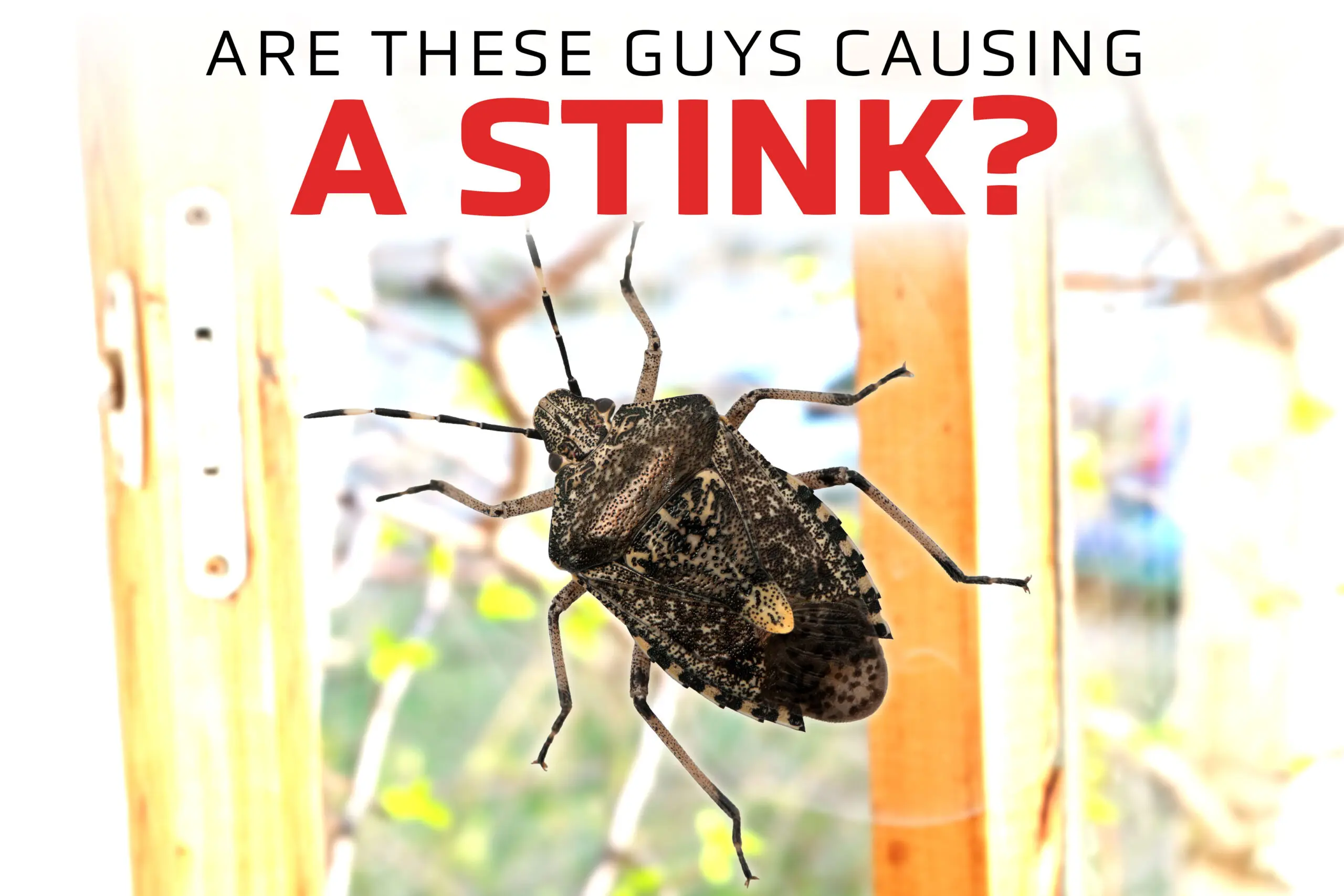
If you live in Ohio, you’ve probably seen them crawling on walls, buzzing around lights, or clinging to your windows in the fall – stink bugs. While not as destructive as termites or as unsettling as bed bugs, stink bugs are one of the most frustrating pests for homeowners and businesses. Their sheer numbers, unpleasant odor when crushed, and ability to slip into the tiniest cracks make them a recurring seasonal headache.
At A-1 Able Pest Doctors, we’ve been helping families and businesses across Dayton, Springfield, Troy, and surrounding areas keep stink bugs out for nearly 90 years. As a woman-owned company and four-time Best of Dayton winner, we know how these pests operate – and more importantly, how to stop them from taking over.
What Are Stink Bugs?
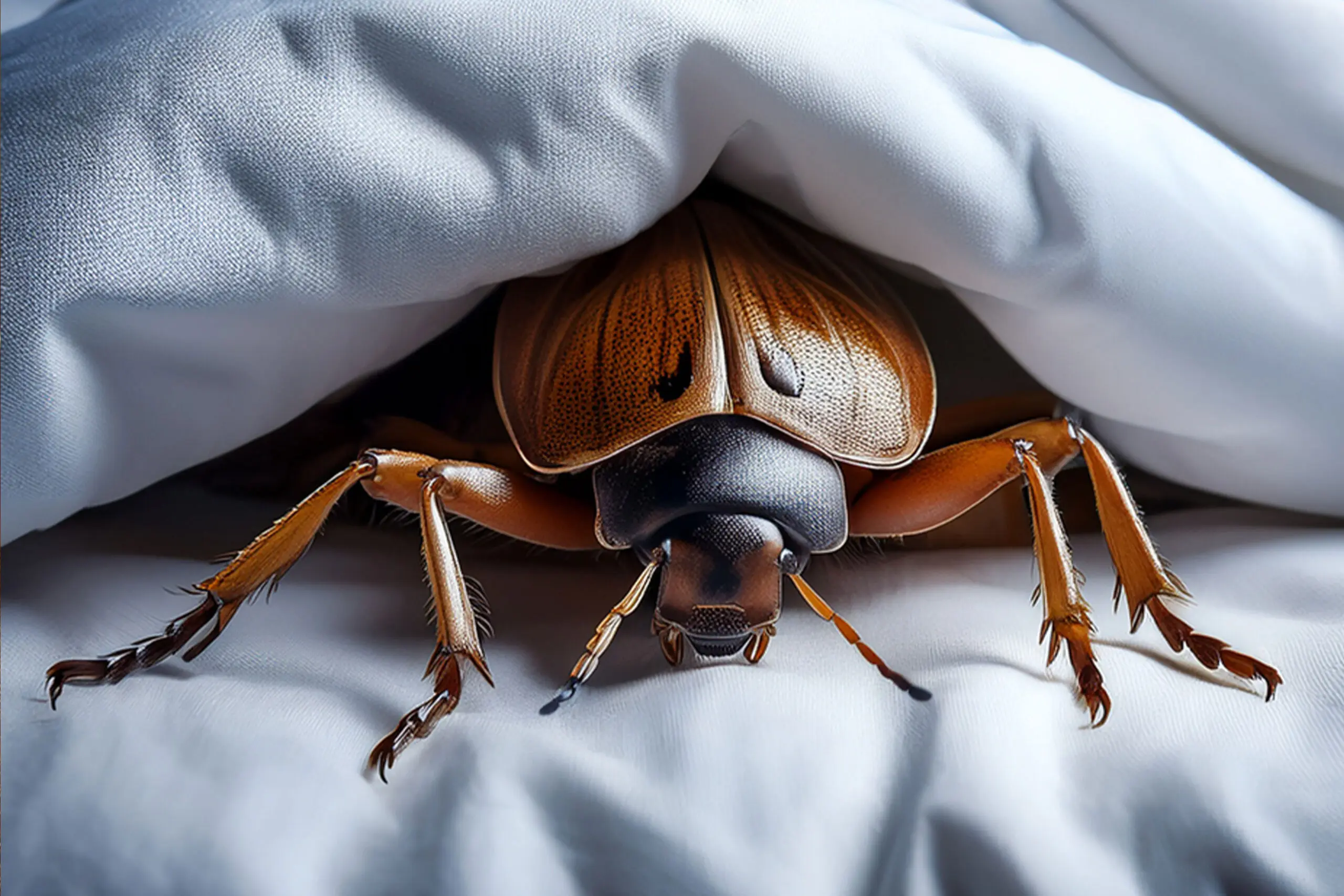
Stink bugs, officially called brown marmorated stink bugs, were first introduced to the U.S. in the late 1990s. Since then, they’ve spread across Ohio and become one of the most common nuisance pests in the region.
They get their name from the strong, unpleasant odor they release when crushed or threatened. This odor is a defense mechanism designed to keep predators away – but for homeowners, it makes dealing with them even more frustrating.
When Do Stink Bugs Come Out?
Stink bugs are most noticeable in late summer and fall. As temperatures drop, they start looking for warm, protected places to overwinter. That’s why they show up inside homes, offices, and warehouses in large numbers.
Come spring, they emerge from hiding spots to head back outdoors – which means you may see them twice a year. Unlike some pests, stink bugs don’t reproduce indoors, but they return year after year unless steps are taken to keep them out.
How Stink Bugs Get In
It’s one of the most common homeowner questions: how do stink bugs come in the house? The answer is simple – through any opening they can find.
- Cracks in siding or brickwork
- Gaps around windows and doors
- Vents, chimneys, and utility lines
- Loose-fitting screens or attic openings
Once inside, they gather in walls, attics, and other quiet spaces. You may not see them until they emerge in big numbers on sunny winter days.
Why Stink Bugs Are a Problem
While stink bugs don’t bite, sting, or carry disease, they still create problems:
- Odor: Crushing them releases their trademark foul smell. Even vacuuming them up can spread the odor in your vacuum.
- Overwintering: Large numbers hide inside walls, attics, and crawl spaces, creating recurring infestations.
- Crop Damage: For farmers and gardeners, stink bugs feed on fruits, vegetables, and plants, damaging crops and leaving behind unsightly marks.
- Business Impact: Restaurants, hotels, and commercial properties risk reputational harm when customers see stink bugs inside.
What makes them especially challenging is their persistence. Once they find a way inside, they tend to return year after year.
Stink Bug Myths vs. Facts
Stink bugs often come with misconceptions. Let’s clear up a few:
- Myth: Stink bugs are only a fall problem.
Fact: They invade in fall, but remain hidden indoors throughout winter and re-emerge in spring. - Myth: You can spray them once and they’ll be gone.
Fact: Over-the-counter sprays kill visible bugs but don’t prevent re-entry or stop hidden populations. - Myth: Stink bugs only infest older homes.
Fact: New construction is just as vulnerable if cracks and gaps aren’t sealed.
Signs of a Stink Bug Infestation
Wondering if stink bugs have moved in? Watch for these signs:
- Clusters of bugs gathering on the sunny side of homes in late summer or fall.
- Stink bugs appearing around windows, lights, or ceilings in fall and spring.
- Foul odor when bugs are disturbed or crushed.
- Visible entry points such as cracks, vents, or loose siding.
If you’re spotting stink bugs regularly, chances are they’ve already found a way into your home or business.
How A-1 Able Pest Doctors Handle Stink Bugs
Stink bugs require a different approach than pests like ants or roaches. Our process includes:
- Inspection: Identifying entry points and activity areas.
- Targeted Treatment: Applying safe, effective treatments to reduce populations.
- Exclusion Work: Sealing cracks, gaps, and openings to prevent future entry.
- Prevention Plans: Ongoing monitoring and seasonal treatments to keep stink bugs away year after year.
Our goal is not just to eliminate the bugs you see – but to stop them from returning.
Prevention Tips You Can Start Today
While professional pest control is the only long-term solution, here are steps you can take right now:
- Seal cracks and gaps around windows, doors, and siding.
- Install or repair door sweeps and weatherstripping.
- Make sure window screens fit tightly with no tears.
- Close off vents, chimneys, and utility openings with fine mesh screens.
- Reduce outdoor lighting that attracts stink bugs at night.
These steps help reduce risk, but they won’t remove bugs already hiding inside.
Why Choose A-1 Able Pest Doctors
- Local and woman-owned since 1936.
- Nearly 90 years of trusted service.
- Voted Best of Dayton four years in a row.
- Safe, effective, and fast treatments tailored to seasonal pests.
- Our promise: All our patients die – Since 1936.
Conclusion
Stink bugs may not bite or spread disease, but that doesn’t mean they belong in your home or business. Their sheer numbers, foul odor, and seasonal invasions make them one of the most frustrating pests in Ohio.
At A-1 Able Pest Doctors, we’ve spent decades helping families and businesses protect their spaces from these persistent invaders. Whether you’re tired of stink bugs showing up in your home every fall or you want to protect your business reputation, we have the expertise to stop them in their tracks.
Don’t wait for stink bugs to swarm again – call the professionals trusted in Dayton, Springfield, Troy, and beyond since 1936.
Because when it comes to pests, remember: All our patients die – Since 1936.
continue reading
Related Posts
When most people think about pest problems, termites are rarely
Spiders are one of the most misunderstood pests in homes