If you’ve ever flipped on a basement light and seen something long, thin, and fast scurry across the floor, you’ve probably met one of Ohio’s most unsettling pests – the centipede. And when they show up indoors, homeowners and businesses often search for reliable centipede pest control in Ohio to get rid of them fast. While their many legs and lightning speed can make your skin crawl, centipedes are actually more nuisance than danger. Still, no one wants them sharing their home or workplace.
At A-1 Able Pest Doctors, we’ve been helping families and businesses across Dayton, Springfield, Troy, and surrounding areas eliminate centipedes and other unwanted guests since 1936. As a woman-owned company and four-time Best of Dayton winner, we know what attracts these pests – and more importantly, how to stop them for good.
What Are Centipedes?
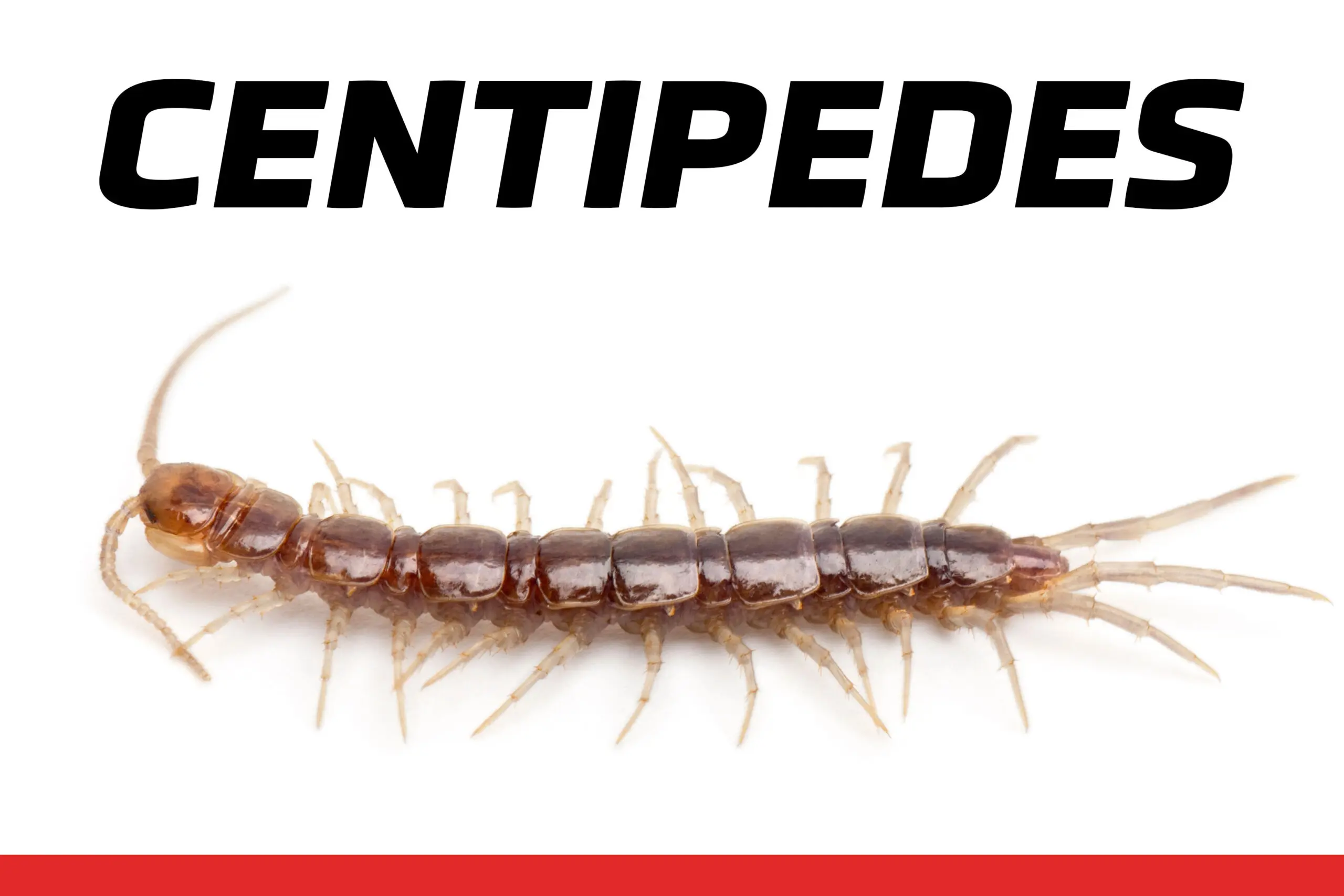
Centipedes are elongated, segmented arthropods with one pair of legs per body segment. Depending on the species, they can range from less than an inch to over six inches in length. The most common type found in Ohio homes is the house centipede, which typically has fifteen pairs of long, delicate legs and moves with surprising speed.
Despite their alarming appearance, centipedes aren’t insects – they’re predators that feed on insects and other small pests like spiders, ants, and silverfish. This can make them beneficial outdoors, but once they move inside, their presence quickly crosses the line from helpful to horrifying.
Where Centipedes Hide
Centipedes prefer dark, damp environments. In Ohio, that means they’re often found in:
- Basements and crawlspaces
- Bathrooms and laundry rooms
- Kitchens and under sinks
- Garages and storage areas
- Behind baseboards and in wall voids
They’re nocturnal creatures, so spotting one during the day can mean there are many more hiding nearby. Their ability to flatten their bodies allows them to slip into tight spaces, making them hard to find and even harder to eliminate without professional help.
Why Centipedes Come Indoors
Like many pests, centipedes move inside searching for the essentials – food, moisture, and shelter.
Here’s what attracts them most:
- Excess humidity: Damp basements and bathrooms are prime real estate for centipedes.
- Other pests: Since they feed on insects, their presence can indicate an underlying pest problem.
- Seasonal changes: Cold weather or heavy rains often drive them indoors for warmth and protection.
Addressing these conditions is key to preventing future infestations.
Are Centipedes Dangerous?
For most people, centipedes are more frightening than harmful. The house centipede does have venom and can bite, but it’s extremely rare and typically no worse than a mild bee sting. The real concern isn’t danger – it’s discomfort. No one wants to see one dart across the floor at night or fall from a bathroom ceiling.
However, in commercial environments such as restaurants, healthcare facilities, or hospitality settings, centipede sightings can raise customer concerns about cleanliness or sanitation. That’s why proactive pest control is essential for protecting your reputation and peace of mind.
Myths and Facts About Centipedes
Myth: Centipedes only live in dirty homes.
Fact: They’re drawn to moisture and insects, not dirt. Even spotless homes can attract them if humidity levels are high.
Myth: Killing one centipede solves the problem.
Fact: Where there’s one, there are likely more. They breed in hidden, moist areas that require professional treatment to fully address.
Myth: Centipedes are always bad.
Fact: Outdoors, they help control other pests. The issue begins when they invade indoor spaces.
Signs of a Centipede Infestation
While centipedes prefer to stay out of sight, here are some clues they’ve moved in:
- Frequent sightings, especially at night.
- Dead insects or shed exoskeletons near walls or windows.
- Increased humidity or moisture problems in specific areas.
- Presence of other insects, which often indicates an available food source.
If you’re seeing centipedes regularly, it’s time to take action before their population grows.
How A-1 Able Pest Doctors Eliminate Centipedes
At A-1 Able Pest Doctors, our approach to centipede control is both strategic and science-based. We don’t just spray and hope for results – we target the root cause.
Our process includes:
- Inspection: Identifying hiding spots, entry points, and environmental conditions.
- Targeted Treatment: Using safe, effective treatments to remove centipedes and the insects they feed on.
- Moisture Control: Addressing humidity issues that make your home or business attractive to pests.
- Prevention: Sealing gaps, repairing leaks, and offering advice to keep them from returning.
Whether you’re dealing with one centipede or a recurring infestation, we tailor every solution to your property’s specific needs.
Centipede Prevention Tips
While professional pest control is the most reliable solution, there are steps you can take to make your property less inviting to centipedes:
- Fix leaky pipes and reduce indoor humidity with dehumidifiers.
- Seal cracks and gaps around doors, windows, and foundations.
- Store boxes and clutter off the floor in basements and garages.
- Eliminate other insect populations that serve as food sources.
- Maintain regular pest control inspections for year-round protection.
For long-term peace of mind, our year-round protection plans keep pests out in every season.
Why Choose A-1 Able Pest Doctors
Since 1936, A-1 Able Pest Doctors has been Dayton’s trusted pest control expert. Our local, woman-owned team understands Ohio’s unique pest pressures – and we’ve built nearly 90 years of success on results that last.
- Local expertise: We know what pests thrive in our region and how to stop them.
- Safe, fast, and effective treatments: Designed for both homes and businesses.
- Award-winning service: Voted Best of Dayton four years running.
- Long-term protection: Custom treatment plans tailored to your property.
From centipedes and spiders to rodents and termites, we deliver real relief – not temporary fixes.
Final Thoughts
Centipedes may not be the most dangerous pests in Ohio, but they certainly rank among the most unsettling. Fast, elusive, and persistent, they’re a clear sign of deeper pest or moisture issues that won’t go away on their own.
If you’re seeing centipedes around your home or business, now is the perfect time to schedule service. Trust the professionals who have been protecting the Miami Valley for generations.
A-1 Able Pest Doctors – All Our Patients Die – Since 1936
continue reading
Related Posts
When most people think about pest problems, termites are rarely