
 Most likely everyone has had a visitor every winter, but it’s not your typical house guest; it hides in walls and corners of your house. Creepy crawlies like house spiders, lacewings, and flies…are you sure you are ready to face them once again? Here’s what you should look for:
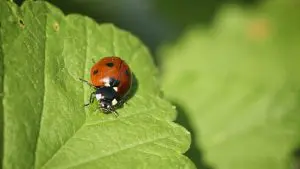
The seven-spot ladybug may be known as a gardener’s favorite for keeping aphids away, but adults are active up until November, when it usually starts to get colder. These insects move into homes and outbuildings to hibernate over the winter. They are often found clustered together for warmth.
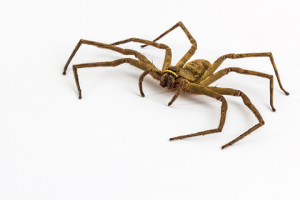
When it comes to house spiders, males are present all-year round, but they are spotted more during this time of the year. They prowl, appearing in search for female spiders living in corners.
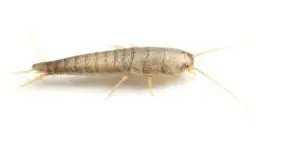
The nocturnal silverfish seeks out and prefers staying in the damp areas around the house. It’s fast-moving and can cause an issue when there is a large number of them.
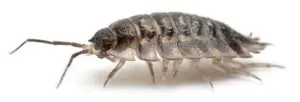
Just like a silverfish, a common woodlouse also loves to stay in dark and damp areas during the winter. When looking for them, be sure to check your bathroom floor, areas around sinks, basements, and anywhere else that may be dark and damp.
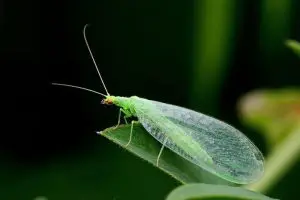
The adult common green lacewing hibernates mostly in buildings. It changes its color during winter from a shade of green or blue to a yellowish-brown color with red spots.
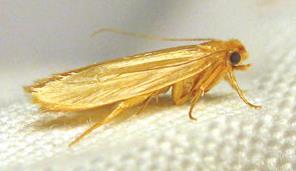
While we are not happy seeing the clothes moth on our garments, this creature is happy living in your closet. Their larvae feed on clothes made from wool and other natural materials.
Whatever type of insect or pest it may be, let us help you find a solution. Better fix the problem before it’s too late! Give us a call or send us a message today because “All our patients die!”
continue reading
Related Posts
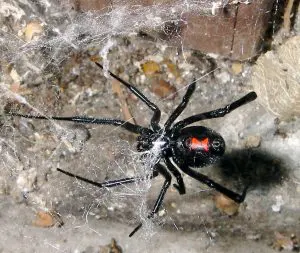 As you put up Halloween decorations and prepare for trick-or-treaters, make sure to keep your eyes peeled for some real creepy crawlers that could be lurking around your yard and home.
Ohio is home to more than 620 species of spiders…and all of them are venomous, except for one. The good news is, most of the time, spiders are not harmful to humans or pets, since the amount of venom they possess is minimal. Spiders have eight legs and two fangs, and they serve an important role in keeping other pest populations under control.
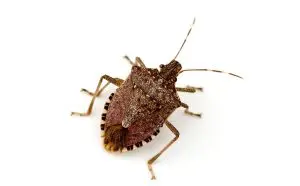 Brown Marmorated Stink Bug (Halyomorpha halys) on white backgroundAfter a long winter, it may seem like spring’s arrival has come at a crawling pace. March marks the official beginning of spring, as well as the unofficial launch of pest season. As temperatures warm up and moisture peaks, insects come creeping.
Just as different flowers bloom in the spring versus the summer, there is a seasonality to bugs. You’re more likely to see different species at certain times of the year, and spring pests are not for the faint-hearted.
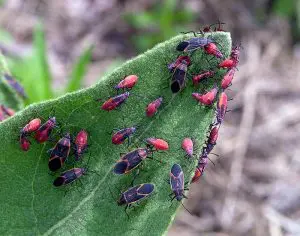
In the summertime, you probably don’t even notice them. During the warm weather days of spring and summer, the boxelder bug, Boisea trifittattus, quietly lives and breeds in boxelder and silver maple trees. Although they feed on the leaves, flowers and seed pods of these trees, they generally don’t cause any noticeable damage.