Spotting a rodent in your home or business is unsettling. For many, the first thought is simply panic – not whether it was a mouse or a rat. But identifying the culprit matters. Mice and rats behave differently, cause different levels of damage, and often require slightly different control strategies. Knowing which rodent you are dealing with helps you respond quickly and effectively.
At A-1 Able Pest Doctors, we have been treating rodent infestations for nearly 90 years. Serving Dayton, Springfield, Troy, and surrounding communities, we know the subtle signs that separate mice from rats and the best ways to keep both out of homes and businesses. Let’s dive into the differences, the dangers, and the solutions.
Appearance and Size Differences
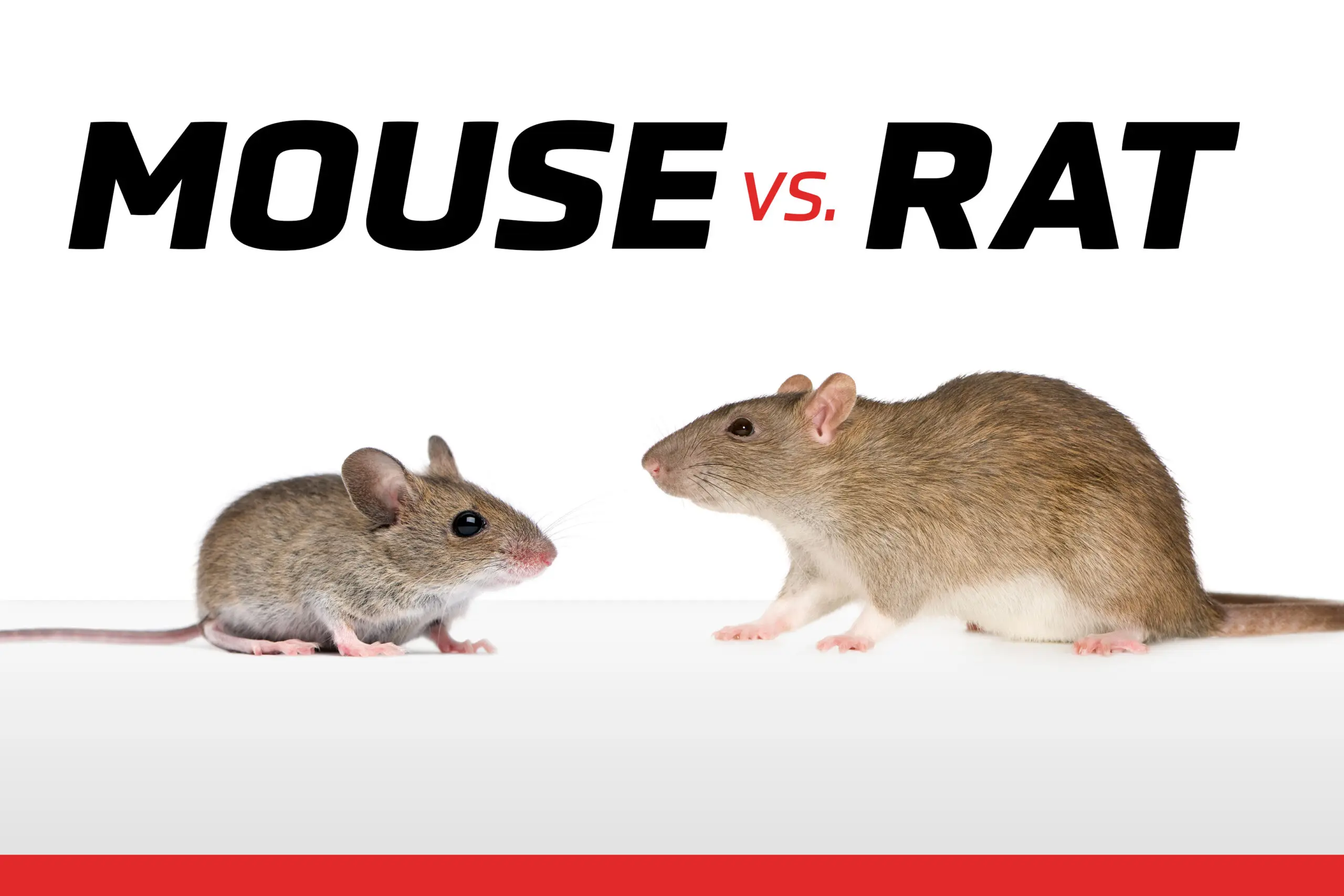
The most obvious difference is size.
- Mice: Small and slender, measuring 2 to 4 inches long (not including their tail). They have pointed noses, large ears compared to their heads, and fine fur. Mice tails are thin and usually as long as their bodies.
- Rats: Much larger, measuring 7 to 9 inches long (not including the tail). They have thicker bodies, blunt snouts, smaller ears proportionally, and heavier tails that are shorter than the length of their bodies.
If you only see droppings, that can also tell you which rodent you’re dealing with. Mice leave behind tiny, rice-shaped droppings about 1/8 inch long. Rat droppings are much larger – often 3/4 inch – and have a capsule shape.
Behavior and Habits
Understanding rodent behavior is key to controlling them.
- Mice: Naturally curious, mice are more willing to explore new objects like traps or bait stations. They can squeeze through openings as small as a dime, which makes sealing entry points a challenge. Mice are quick breeders – a single pair can produce dozens of offspring in a short period of time.
- Rats: Cautious and suspicious by nature. Rats avoid new objects, which makes them harder to trap. They need larger openings – about the size of a quarter – to enter, but their strength allows them to chew through tougher materials than mice. Rats are also powerful swimmers and climbers, which means they can access basements, attics, and even sewer systems.
The Health Risks of Rodents
Whether mice or rats, rodents bring real dangers.
- Disease Transmission: Rodents spread harmful bacteria and viruses through urine, droppings, and saliva. Rats in particular are associated with leptospirosis, salmonella, and rat-bite fever.
- Allergies and Asthma: Rodent droppings and dander can trigger allergic reactions or worsen asthma symptoms, especially in children.
- Parasites: Fleas, ticks, and mites often hitchhike on rodents, creating secondary pest problems inside homes and businesses.
Property Damage
Rodents never stop gnawing. Their teeth grow constantly, so chewing is how they keep them filed down. Unfortunately, that chewing often destroys property.
- Mice: Known for chewing wires, insulation, and cardboard. Their smaller size means they may nest in wall voids, storage boxes, or kitchen cabinets.
- Rats: Capable of gnawing through wood, plastic, and even soft metals. They create large burrows outside and can undermine building foundations. Rat chewing on electrical wiring has been linked to house fires and costly repairs.
The damage is not just cosmetic – rodents put your safety and property at real risk.
Signs You Have a Rodent Problem
Here’s what to look for:
- Droppings near food storage, in pantries, or along walls.
- Gnaw marks on furniture, wiring, or plastic containers.
- Grease or rub marks from rodents squeezing through tight spaces.
- Scratching or scampering sounds in walls, attics, or basements, especially at night.
- Nesting materials like shredded paper, fabric, or insulation tucked into hidden corners.
- Pet agitation – dogs and cats often sense rodent activity before humans do.
DIY vs. Professional Control
Homeowners often try DIY solutions – snap traps, glue boards, or store-bought poisons. While these may reduce visible activity, they rarely eliminate the full problem. Mice breed quickly, rats are trap-shy, and both can learn to avoid ineffective measures.
Professional pest control offers key advantages:
- Accurate identification of mice vs. rats, shaping the right treatment plan.
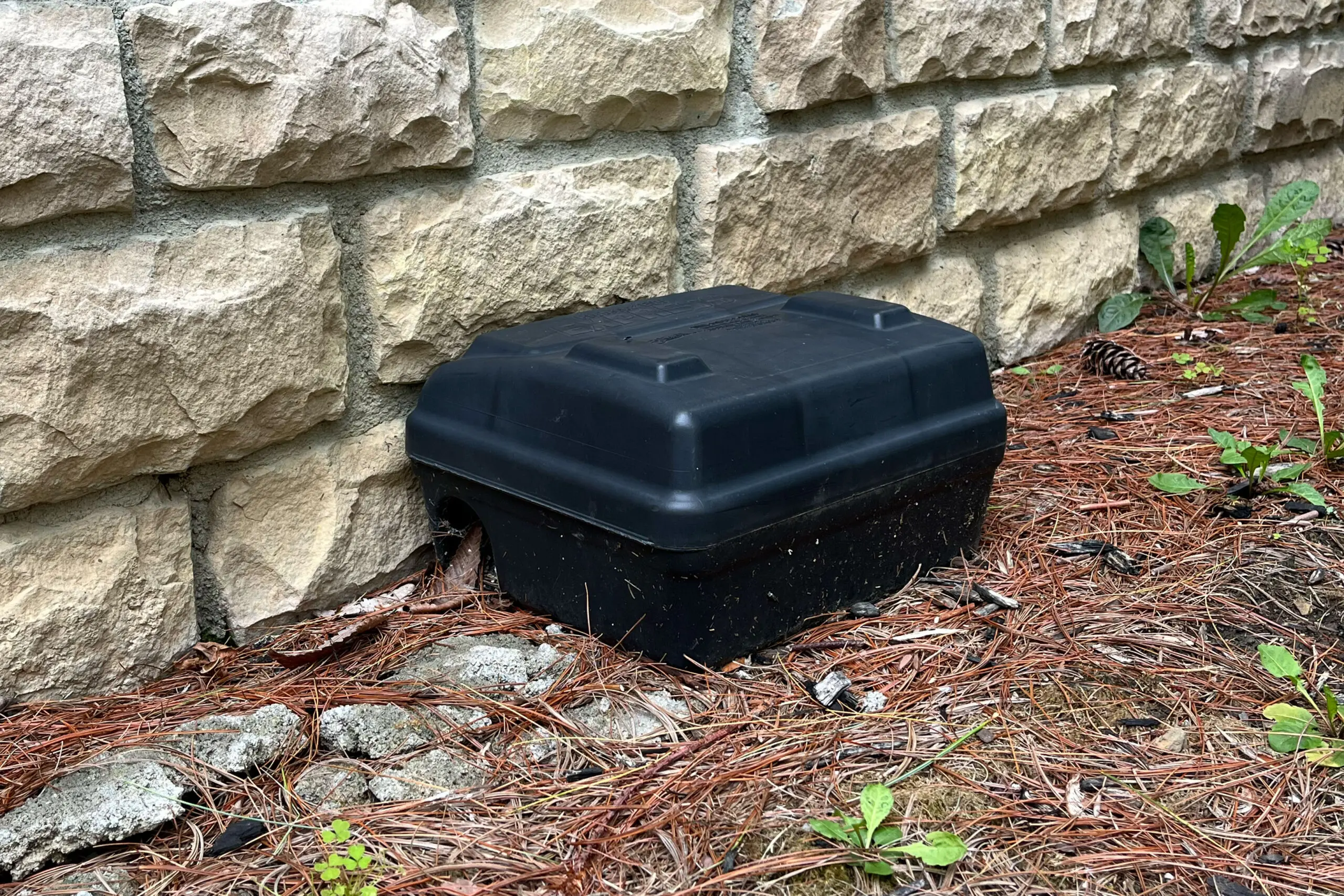
- Safe and targeted use of baits and traps, reducing risk to children or pets.
- Integrated pest management that doesn’t just treat rodents, but also addresses the insects and food sources attracting them.
- Long-term prevention through entry-point inspections and structural recommendations.
Why Businesses Can’t Ignore Rodents
For homeowners, rodents are unsettling. For businesses, they can be catastrophic.
- Food Service and Hospitality: A single rodent sighting can destroy customer trust and result in health code violations.
- Warehouses and Distribution Centers: Rodents damage packaging, spoil inventory, and trigger recalls.
- Healthcare and Offices: Rodents undermine sanitation standards and pose serious liability risks.
That is why A-1 Able works with businesses across Dayton, Springfield, and Troy to create proactive plans. Rodent prevention is not just about comfort – it’s about protecting reputation and revenue.
Seasonal Rodent Activity
Rodents are a year-round problem, but activity often spikes in the fall. As temperatures drop, mice and rats look for warm shelter and easy food sources indoors. Attics, basements, garages, and commercial storage areas become prime targets.
This seasonal shift is why prevention before winter is critical. If rodents establish nests in your home or business, removing them becomes harder and more expensive.
A-1 Able’s Proven Process
At A-1 Able Pest Doctors, we’ve built a reputation for reliability, expertise, and care. Our rodent control process includes:
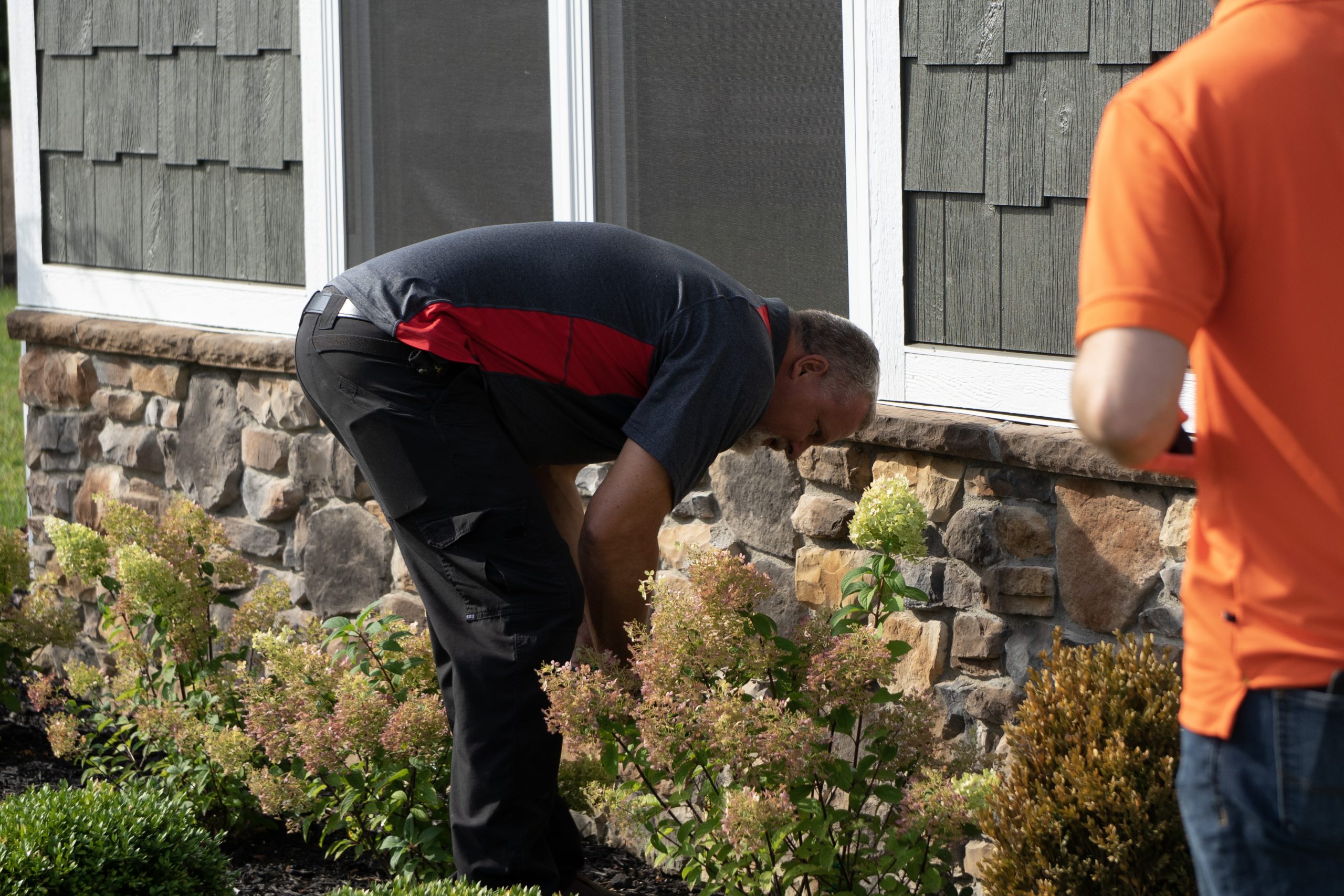
- Thorough Inspection – Identifying species, entry points, and food sources.
- Tailored Treatment – Customized strategies for mice or rats, based on your unique situation.
- Sanitation and Guidance – Helping you eliminate attractants like crumbs, garbage, and clutter.
- Long-Term Protection – Service programs designed to keep properties rodent-free year-round.
We are a woman-owned, family-operated company with deep roots in this community. Voted Best Pest Control in Dayton for four years in a row, we deliver peace of mind with every service.
Final Thoughts
Mice and rats may look similar at first glance, but their behaviors, risks, and control methods differ in important ways. Whether you are protecting your family at home or your customers at work, ignoring rodents is never an option.
With nearly 90 years of experience, A-1 Able Pest Doctors is the trusted local expert for rodent control in Dayton, Springfield, Troy, and beyond. Our motto says it all: All Our Patients Die – Since 1936.
If you’ve noticed droppings, scratching sounds, or other signs of rodent activity, don’t wait until it escalates. Call A-1 Able Pest Doctors and let us put our proven expertise to work for you.
continue reading
Related Posts
When most people think of pests, bed bugs or termites
Rodents are persistent pests that can invade homes in search