

There are so many things to love about the fall season…but the increase in the stink bug population isn’t one of them.
Why couldn’t we have an increase in butterflies, dragonflies or hummingbirds this time of year, instead of the insect world’s version of the skunk?
When they are disturbed or crushed, stink bugs release an odor that smells a lot like stinky feet. So, learning that fall is their peak season for invading homes in high numbers is quite disturbing.
 In a previous post (“3 effective treatments for eliminating bed bugs”), we addressed three of the most common and helpful treatments for getting rid of bed bugs in your home. Vikane® fumigant is the most effective eradication method we offer, so we’ve decided to take a deeper dive into explaining this treatment
1. What exactly is fumigation? Fumigation occurs when an inorganic gas called sulfuryl fluoride (originally marketed under the name Vikane®) is pumped into an enclosed, sealed space that is stuffed with your household items. In a controlled environment, the gas replaces the oxygen, and penetrates into bed bugs and their eggs, which suffocate and die.
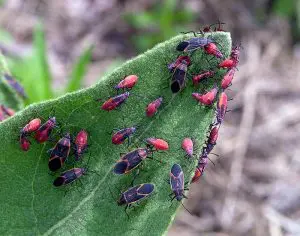
In the summertime, you probably don’t even notice them. During the warm weather days of spring and summer, the boxelder bug, Boisea trifittattus, quietly lives and breeds in boxelder and silver maple trees. Although they feed on the leaves, flowers and seed pods of these trees, they generally don’t cause any noticeable damage.
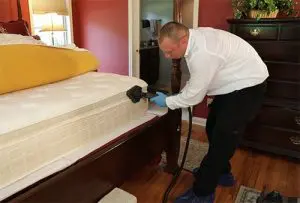 You’ve worked really hard to avoid a bed bug infestation in your home, but there they are: signs that the nefarious pest has invaded your living space. Of course, your first step will be to call your local pest expert, but it helps to know in advance what treatment options might be available to you.
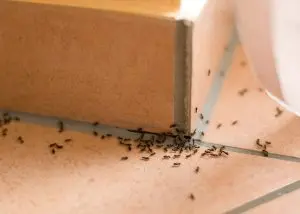 After a cold, wet start to summer here in the Miami Valley, Mother Nature flipped the switch to “hot and dry” for many weeks. While our yards don’t like that kind of weather and turned quite crispy, some pests found the weather to be a good excuse to invite themselves into our homes.
Let’s face it - bed bugs can turn your sweetest dreams into a horrendous nightmare! It’s true! They drive you crazy, trying to ignore that itchy, scratchy feeling all night long. Leaving you a red-welted, sleep-deprived individual the next morning. It sucks, right?
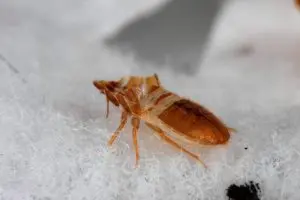
No homeowner wants their home to be infested with termites! They are destructive, can be costly to mitigate, and are quite frankly, horrendous. Since many individuals have a hard time distinguishing the signs of a termite problem, damages have occurred in the house and it may be too late.
Here are some of the signs that you should be wary of if you are looking for such termite attacks.
Look for Tubes!
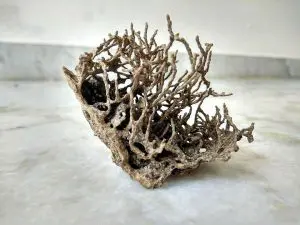
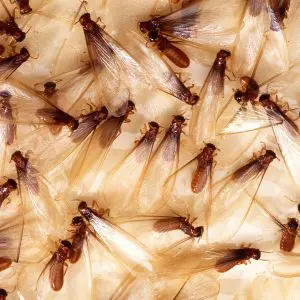 Termite activity can be very high at this time of year. This is why it is essential for you to understand when this activity is taking place. To avoid a termite infestation you must partake in careful observation, prevention, and maintenance.Now, what are the signs one may be suffering from a multiplication of termites in their homes? Wood Damage One of the most evident signs to help gauge the extent of your possible termite infestation is the damage done to the wooden parts of your home. This is because termites generally consume wood for the cellulose
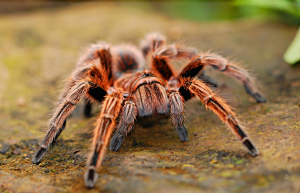 The colder months have come, and you may have noticed that there is another creature that wants to live with you in your home — the spider.
Well, this could be a nightmare for some, especially when you suffer arachnophobia. However, just as Spider-Man is an amazing superhero, you should cut the spiders some slack since there are some amazing facts about them that can surely make you say, “Wow!”
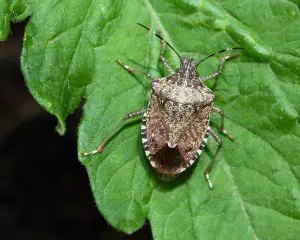
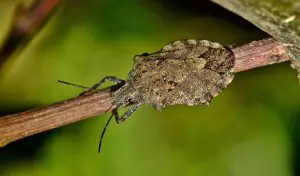 A previously-little-known stink bug has been infesting most of our homes lately, and almost everyone is clueless about these bugs or even about how to control them. The brown marmorated stink bug (BMSB), scientifically called the Halyomorpha halys, has been found in 49 countries and has been known as an agricultural pest in Eastern countries such as China and Japan. In America, it is commonly known to be an indoor pest and is abundant mostly during the warmer seasons.Damage
The BMSB can significantly destroy crops in the field. For example, it can distort the flesh of an apple or other citrus fruit, affecting its marketability and safety of consumption.
 In a previous post (